Winter Wonderland of Laughter: The Best Family-Friendly Winter Jokes for Kids
2025-12-16
Snow Much Fun: Why Winter Jokes Keep Families Warm All Season Long
When the temperatures drop and snow begins to fall, there's no better way to warm up than with hearty laughter. Winter jokes aren't just silly puns - they're a fantastic tool for family bonding, brightening those long indoor days, and teaching kids the joy of wordplay. Whether you're stuck inside during a blizzard, building snowmen in the backyard, or sipping hot cocoa by the fire, the right joke can transform an ordinary winter day into a memorable moment of connection.
Let's explore why winter-themed humor resonates so well with families and discover some of the best ways to share these frosty punchlines with the kids in your life.
The Science Behind Winter Humor
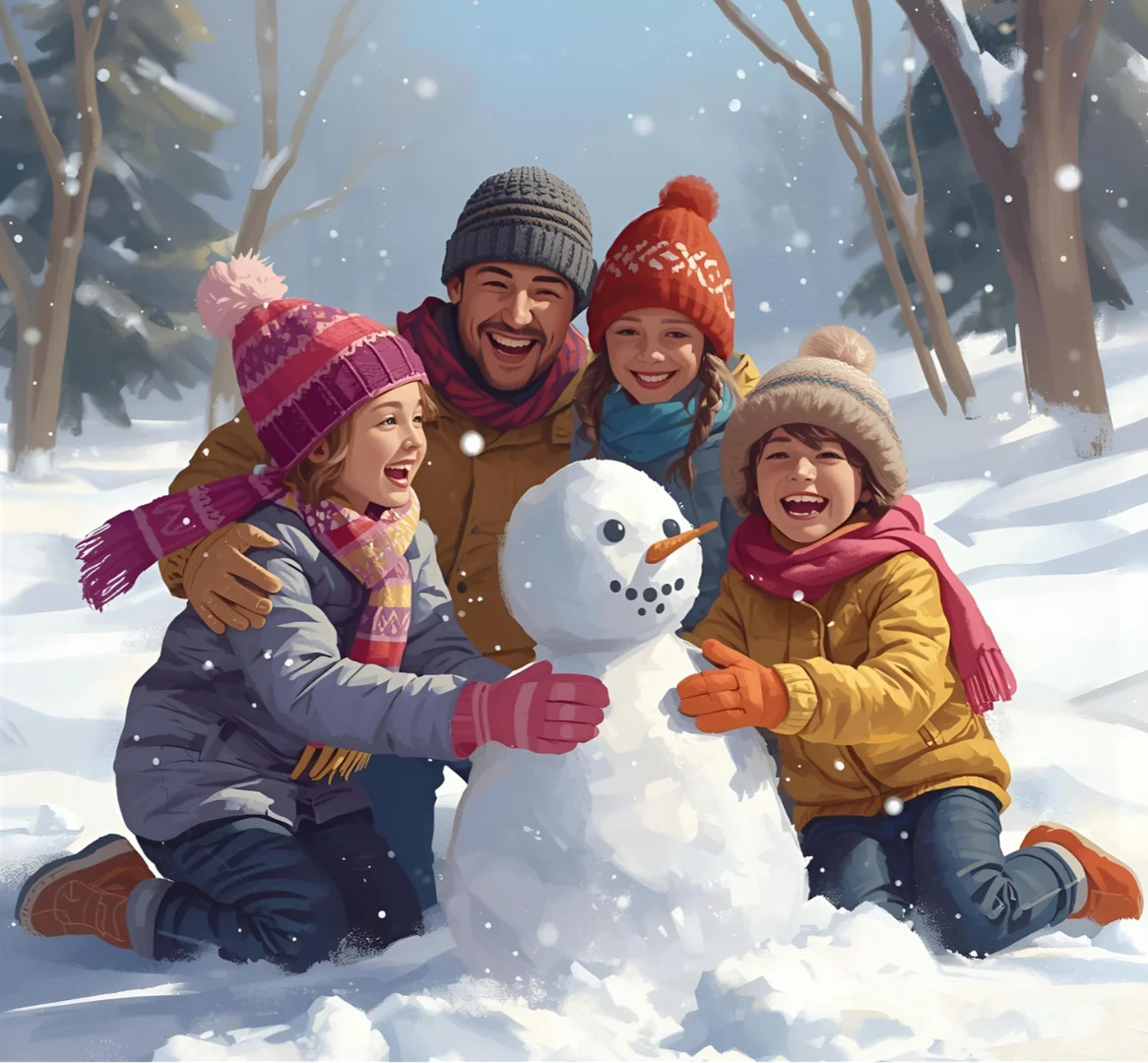
Winter jokes work particularly well with children because they tap into immediate, tangible experiences. Unlike abstract concepts, winter is something kids can see, touch, and feel. When a child hears "What do snowmen eat for breakfast? Frosted Flakes!" they immediately connect it to their own breakfast table and the snowman they built yesterday. This relevance makes the humor more accessible and memorable.
Research in child development shows that joke-telling helps children develop several critical skills:
- Language comprehension: Understanding puns and wordplay requires grasping multiple meanings of words
- Social bonding: Shared laughter creates positive associations and strengthens relationships
- Cognitive flexibility: Getting a joke means thinking beyond literal interpretations
- Confidence building: Successfully telling a joke and getting laughs boosts self-esteem
Winter jokes, with their simple setups and relatable subject matter, are perfect entry points for young comedians learning these skills.
What Makes a Great Winter Joke?
Not all winter jokes are created equal. The best ones share several key characteristics:
Simplicity is key. Kids respond best to straightforward punchlines that don't require complex reasoning. "What do you call a snowman in summer? A puddle!" works because it's visual, immediate, and easy to understand.
Wordplay wins. Puns based on winter vocabulary are particularly effective. "Chill-dren" for snowman kids or "ice caps" for snowman hats create that delightful groan-and-giggle response that defines great dad jokes.
Relatability matters. The best winter jokes reference experiences kids actually have: building snowmen, drinking hot chocolate, sledding, or complaining about the cold.
Keep it clean. Family-friendly humor ensures everyone can participate, from the youngest toddler to grandparents. These jokes create inclusive moments rather than excluding anyone from the fun.
Our Favorite Categories of Winter Jokes
Snowman Classics
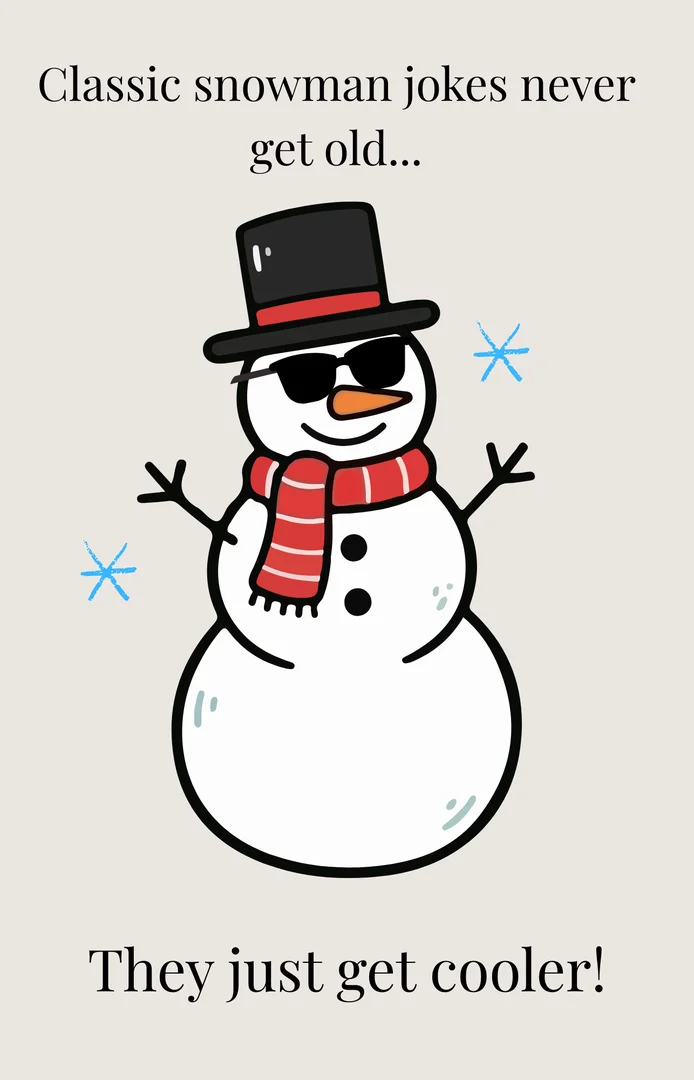
Snowman jokes are the foundation of winter humor. They work because snowmen are inherently funny - temporary, whimsical characters that every child can create and relate to. Some timeless examples:
- "What do snowmen wear on their heads? Ice caps!"
- "What does a snowman take when he gets sick? A chill pill!"
- "Why was the snowman looking through the carrots? He was picking his nose!"
These jokes play on the familiar anatomy of a snowman (carrot nose, coal buttons, stick arms) while introducing silly twists that kids find hilarious.
Weather Wordplay
Winter weather provides endless opportunities for puns:
- "What falls in winter but never gets hurt? Snow!"
- "What's cold, white, and goes up? A confused snowflake!"
- "How do mountains stay warm in winter? They wear snow caps!"
These jokes help kids think creatively about the natural phenomena they observe during winter months.
Animal Antics in Winter
Winter animals, from penguins to polar bears, offer rich comedic material:
- "What do you call fifty penguins in the Arctic? Really lost! (Penguins live in Antarctica!)"
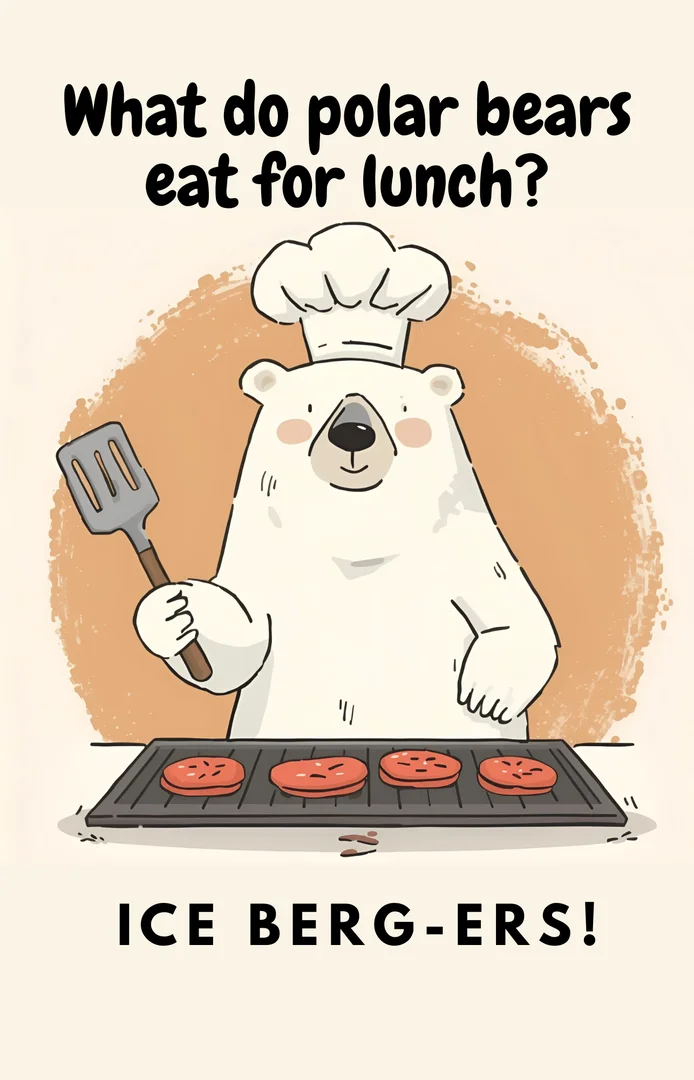
- "What do polar bears eat for lunch? Ice berg-ers!"
- "Where do polar bears keep their money? In a snow bank!"
These jokes often sneak in educational elements (like the penguin geography lesson) while keeping kids entertained.
Winter Activities and Sports
Jokes about sledding, skiing, and ice skating resonate with active families:
- "What do you call a slow skier? A slope-poke!"
- "How does a snowman get around? By icicle!"
- "What kind of ball doesn't bounce? A snowball!"
These jokes validate kids' winter experiences and make everyday activities feel more fun and special.
Making Jokes Part of Your Family Routine
The best way to incorporate humor into your family life is to make it organic and spontaneous. Here are some strategies that work:
Start small. Share one joke at breakfast or during the car ride to school. Make it a daily tradition during the winter months.
Create a joke exchange. Encourage kids to find their own jokes (from books, friends, or online) and share them with the family. This builds their confidence and research skills.
Use jokes as transitions. Moving from one activity to another? Break out a quick joke. "Before we start homework, here's a riddle: What's a snowman's favorite drink? Iced tea!"
Perform them. Encourage kids to use voices, gestures, and dramatic pauses. The delivery can be just as funny as the punchline.
Theme them to activities. About to build a snowman? Share snowman jokes. Going sledding? Time for winter sports humor.
The Art of Timing and Delivery
Even the best joke can fall flat with poor delivery. Teaching kids how to tell jokes effectively is a valuable life skill that extends beyond humor. Here are some tips to share:
Build anticipation. Pause before the punchline. "What do you call a snowman having a tantrum?... A meltdown!"
Commit to the silliness. Encourage kids to fully embrace the corny nature of the joke. Half-hearted delivery undermines the humor.
Make eye contact. This keeps the audience engaged and signals that the punchline is coming.
Don't explain the joke. If someone doesn't get it, that's okay. Move on or try another one.
Laugh at yourself. If you forget the punchline or mess up, make that part of the fun. Kids love when adults are silly and imperfect.
Practice makes perfect. Like any skill, joke-telling improves with repetition. Encourage kids to keep trying, even if early attempts don't land.
Age-Appropriate Humor
Different ages appreciate different types of humor. Here's how to match jokes to developmental stages:
Ages 3-5: Focus on simple, visual humor with clear cause-and-effect. "What do you call a cat sitting on the ice? A cool cat!" works because it's easy to picture and understand.
Ages 6-8: Kids this age enjoy wordplay and can handle slightly more complex puns. "Why did the girl keep her trumpet in the snow? Because she liked cool music!" introduces double meanings.
Ages 9-12: Older kids appreciate cleverer wordplay and can understand jokes with setup-and-payoff structures. "What does December have that no other month has? The letter D!" requires spelling knowledge and abstract thinking.
All ages: Knock-knock jokes remain universally appealing. "Knock knock. Who's there? Scold. Scold who? Scold outside, let me in!" works across age groups because of its familiar structure.
Beyond Entertainment: The Benefits of Shared Humor
While the primary goal of winter jokes is simple fun, they offer deeper benefits for families:
Stress relief. Winter can be challenging: dark days, cabin fever, holiday pressure. Laughter literally reduces stress hormones and increases endorphins.
Memory building. Kids often remember the jokes parents told them decades later. These become touchstones of childhood.
Communication skills. Learning to tell jokes teaches timing, audience awareness, and confidence in public speaking.
Cultural literacy. Jokes often reference shared cultural knowledge, helping kids understand references and wordplay they'll encounter throughout life.
Resilience. The ability to laugh, especially during difficult times (like being stuck indoors during a snowstorm), builds emotional resilience.
Connection. Shared laughter creates bonds. When families laugh together, they're strengthening their relationships in ways that last beyond the winter season.
Creating Your Own Winter Jokes
Once kids master telling existing jokes, encourage them to create their own. This creative exercise develops multiple skills:
Start with what they know. Ask: "What's something funny about winter?" Build from there.
Use the formula. Most jokes follow a question-and-answer format. "What do you call a ___? A ___!" or "Why did the ___ do ___? Because ___!"
Play with words. Look for winter words that sound like other words or can be combined in funny ways. "Chill" can become "chill-dren" or "chill pill."
Don't worry about quality. Kids' first jokes will likely make no sense. That's part of the process. Celebrate the creativity, not just the coherence.
Build on success. If a joke works, try variations. "What do snowmen eat for breakfast? Frosted Flakes!" could become "What do snowmen eat for lunch? Ice burgers!"
Winter Jokes for Special Occasions
Different winter situations call for different jokes:
Snow days: "What's the best thing about snow days? Everything's so ground-breaking!" Perfect for celebrating unexpected days off school.
Holiday gatherings: "What did Jack Frost say to Frosty the Snowman? Have an ice day!" Great for breaking the ice with extended family.
Long car trips: Knock-knock jokes work perfectly when driving. They're interactive and help pass time.
Bedtime: Gentle jokes can be part of a wind-down routine. "What did the snowflake say to the other? You're one of a kind!"
Meals: Share a joke before dinner. "Where is the best place to put your hot chocolate? Your mouth!" pairs perfectly with the real thing.
Handling the Groan Factor
Part of the charm of winter jokes, and dad jokes in general, is the groan-inducing quality. When kids roll their eyes at "What do you call a grumpy cow in the winter? A moo-dy cow!" they're actually enjoying it on multiple levels.
Embrace the corny. The worse the joke, the better. This is part of the genre.
Make it meta. Acknowledge the groan. "I know, I know, but you smiled a little, didn't you?"
Keep going. One groaner shouldn't stop you from trying another. Persistence is part of the comedy.
Mix it up. Follow a particularly bad pun with a genuinely clever one to keep the audience guessing.
The groan itself becomes part of the ritual - kids know these jokes are supposed to be a bit painful, and that shared understanding creates its own form of connection.
Resources for More Winter Jokes
Looking for more material? Here are some great sources:
Joke books: Library sections dedicated to children's humor always have seasonal collections.
Websites: Many family-friendly sites curate age-appropriate jokes by theme.
Create your own: Use winter vocabulary lists and brainstorm silly combinations with your kids.
Friends and family: Kids love trading jokes with classmates and cousins. Encourage them to become collectors.
Our winter jokes page: Visit our winter jokes collection for over 50 kid-tested, parent-approved jokes perfect for the season.
Making Winter Memories Through Laughter
Years from now, your children may not remember every snowman they built or every hot chocolate they drank. But they will remember laughing with you. They'll remember the time Dad told that ridiculous joke about the frozen bicycle ("An icicle!") during a snowstorm, or when Mom couldn't stop giggling at her own punchline about winter wizards ("A cold spell!").
Winter jokes are more than just words - they're moments of joy, connection, and warmth during the coldest season. They're reminders that even when it's freezing outside, families can create their own warmth through laughter and love.
So this winter, challenge yourself to learn a few new jokes. Share them liberally. Encourage your kids to find their favorites. Create rituals around joke-telling. Build a tradition of winter laughter that your children will carry forward into their own families.
After all, the best way to survive winter isn't just to endure it - it's to embrace it with humor, silliness, and plenty of ice-cold puns.
Ready for More Frosty Fun?
If you've enjoyed exploring the world of winter humor, don't stop here! Check out our complete collection of winter jokes for kids, featuring over 50 carefully curated jokes that have been tested and approved by real families.
You might also enjoy our other seasonal collections:
- Christmas jokes for kids - Perfect for holiday gatherings
- Thanksgiving jokes for kids - Great for fall celebrations
- Halloween jokes for kids - Spooky-silly fun for October
And if your kids can't get enough of joke-telling, explore our knock-knock jokes collection and dad jokes for kids pages for year-round laughter.
Remember: In the winter of life, laughter is the warmest blanket. So bundle up, grab some hot cocoa, and share a joke or two. Your kids will thank you for it - even if they groan first!